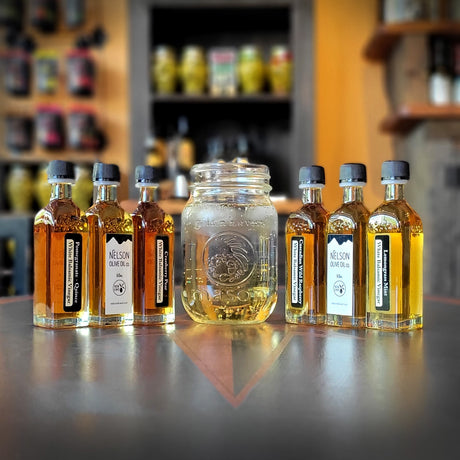
Our Specialty Vinegars collection features bold, gourmet flavours for enhancing any dish, like the sweet-and-spicy Serrano Honey Vinegar and the refined Sherry Wine Vinegar, bring complexity and balance to salads, marinades, and sauces.
More Info
Dark Balsamics for Rich, Reduction-Style Cooking
Dark balsamic vinegar comes from grape must that is cooked down and aged, which builds sweetness and a thick, syrupy body over time. This aging process gives dark balsamic its deep colour and dense texture, setting it apart from lighter vinegars that skip ageing. Home cooks reach for dark balsamic when a dish needs sweetness balanced against acidity, from roasted vegetables to grilled meat. Read more about what balsamic vinegar is and how it's made before picking a bottle.
A-Premium Dark Balsamic Suits Everyday Drizzling
A-Premium Dark Balsamic works as a straightforward, all-purpose dark balsamic for cooks who want one bottle that covers salads, marinades, and finishing drizzles. Its balance of sweetness and acidity makes A-Premium Dark Balsamic easy to pair with olive oil for a simple vinaigrette. Keep A-Premium Dark Balsamic on hand for weeknight cooking rather than saving it for special occasions only.
Denissimo Dark Balsamic Reduction Adds a Syrupy Glaze
Denissimo Dark Balsamic Reduction has already been thickened through extra reduction, giving it a syrupy consistency that clings to food instead of running off. This texture suits Denissimo Dark Balsamic Reduction to drizzling over finished dishes like cheese boards, roasted fruit, or grilled meat rather than whisking into a vinaigrette. A small amount of Denissimo Dark Balsamic Reduction goes further than a standard dark balsamic because the flavour concentrates during the extra reduction step.
Rosé Balsamics with Fresh Fruit Character
Rosé balsamic vinegar gets its pink colour and lighter body from red grape varieties processed in a style closer to white balsamic than dark. This method gives rosé balsamic a brighter, fruitier profile than dark balsamic while still carrying natural sweetness. Two options in this collection lean into that fruit-forward style with distinct flavour directions.
Pink Guava Rosé Balsamic Brings Tropical Sweetness
Pink Guava Rosé Balsamic carries the sweet, slightly floral character of guava, making it a natural match for dishes that call for a tropical note. Drizzle Pink Guava Rosé Balsamic over fresh fruit, grilled shrimp, or a citrus-based salad for a bright finish. The lighter body of Pink Guava Rosé Balsamic keeps it from overpowering delicate ingredients the way a dark balsamic can.
Strawberry Kiwi Rosé Balsamic Balances Berry and Tart Notes
Strawberry Kiwi Rosé Balsamic pairs the sweetness of strawberry with the tartness of kiwi, giving it more acidity than a purely fruit-sweet rosé. This balance suits Strawberry Kiwi Rosé Balsamic to spinach salads, soft cheeses, and desserts that need a tart counterpoint. Cooks who prefer a rosé balsamic with more bite than sweetness should reach for Strawberry Kiwi Rosé Balsamic first.
Rosé Balsamics for Summer Salads and Cocktails
The remaining rosé balsamics in this collection lean toward warm-weather use, from chilled salads to mixed drinks. Both bottles work well cold, which sets them apart from dark balsamic reductions that perform best warmed slightly or used as a finishing glaze. Explore ideas for pairing balsamic vinegar with food to find a match for either one.
Watermelon Rosé Balsamic Suits Chilled Dishes
Watermelon Rosé Balsamic carries the light, refreshing character of watermelon, making it best suited to chilled preparations rather than cooked sauces. Use Watermelon Rosé Balsamic in a summer salad, spooned over sliced melon, or mixed into a sparkling drink. The delicate flavour of Watermelon Rosé Balsamic is easy to lose if paired with heavier, richer ingredients.
Montmorency Cherry Rosé Balsamic Adds Tart Cherry Depth
Montmorency Cherry Rosé Balsamic uses the tart Montmorency cherry variety, giving it a sharper, less sugary edge than a typical dessert cherry. This tartness makes Montmorency Cherry Rosé Balsamic a strong match for duck, pork, or a cheese board that needs a fruit-forward counterpoint. Montmorency Cherry Rosé Balsamic also works well reduced slightly on the stovetop for a quick pan sauce.
White Balsamic and Specialty Vinegars for Everyday Meals
Not every dish calls for the sweetness or colour of a dark or rosé balsamic. The three vinegars grouped here cover lighter, more neutral, and savoury directions for cooks who want variety beyond fruit-forward flavours. Each one plays a different role in the kitchen rather than competing with the others.
Ultra-Premium White Balsamic Keeps Dishes Light in Colour
Ultra-Premium White Balsamic skips the caramelization that darkens traditional balsamic, which keeps its colour pale and its flavour milder. This makes Ultra-Premium White Balsamic useful in dishes where a dark vinegar would stain lighter ingredients, such as potato salad or a cream-based dressing. Cooks who want balsamic flavour without changing a dish's colour should reach for Ultra-Premium White Balsamic.
Organic Red Wine Vinegar Delivers Sharp Acidity
Organic Red Wine Vinegar comes from fermented red wine rather than reduced grape must, giving it a sharper, more acidic profile than balsamic vinegar. Organic Red Wine Vinegar suits classic vinaigrettes, marinades, and pickling, where balsamic's sweetness would compete with other flavours. Its organic sourcing appeals to cooks who prioritize ingredient transparency alongside flavour.
Kokotelli Garlic Syrup Adds Savoury Depth
Kokotelli Garlic Syrup takes a different direction from the vinegars in this collection, built around garlic rather than grape must or wine. Garlic syrup carries a sweet-savoury flavour that works well brushed onto roasted vegetables, stirred into a glaze, or added to a marinade for extra depth. Kokotelli Garlic Syrup gives cooks a pantry option for savoury dishes that a fruit-forward balsamic would not suit.
How to Choose a Specialty Vinegar for Your Kitchen
Start with the dish in mind rather than the bottle. Dark balsamics and reductions suit cooked dishes and rich glazes, rosé balsamics fit fresh and chilled preparations, and Organic Red Wine Vinegar or Kokotelli Garlic Syrup cover savoury needs that fruit-forward vinegars don't.
Match a Vinegar to Its Best Use
- Dark balsamic or reduction: best for roasted vegetables, grilled meat, and finishing glazes.
- Rosé balsamic: best for chilled salads, fresh fruit, and light summer dishes.
- Red wine vinegar or garlic syrup: best for vinaigrettes, marinades, and savoury sauces.
Free samples make it possible to taste a vinegar before committing to a full bottle, in keeping with this collection's own invitation to try before you buy. Once you've settled on a favourite, browse recipe ideas using olive oil and balsamic vinegar or check out balsamic and olive oil gift pack options for gifting occasions.


 $1800Unit price
 From $1700Unit price